

Childrens Golf Lessons
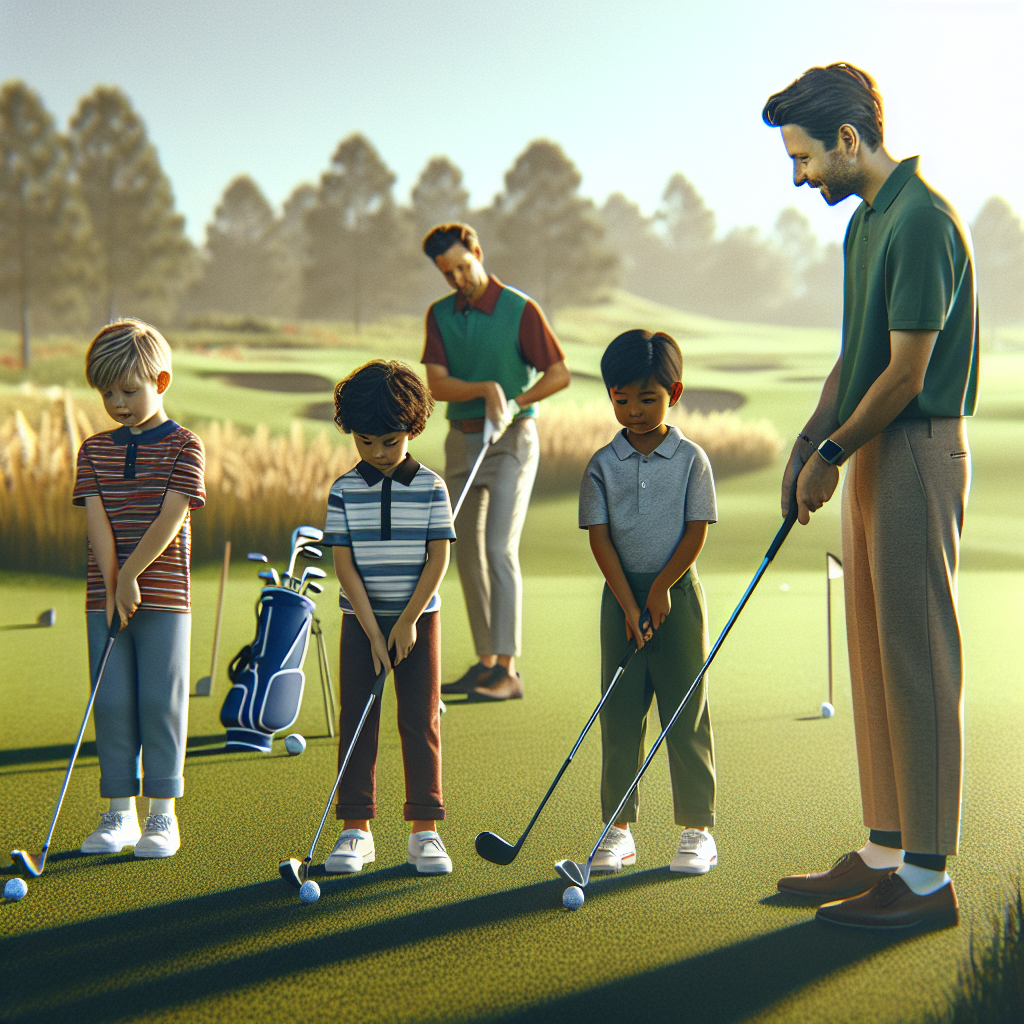
Golf is a fantastic sport for kids, offering not only enjoyment but also numerous physical and mental benefits. Enrolling your child in childrens golf lessons can set them on a path toward a lifelong love of the game. This article will explore the benefits of these lessons, what to expect, tips for parents, and how to find the right program.
Benefits of Childrens Golf Lessons
Physical Benefits
Engaging in golf provides various physical benefits for children. Here are some key points:
- Strength Development: Swinging a golf club helps build muscle strength in the arms, shoulders, and core.
- Coordination and Balance: Golf requires significant hand-eye coordination and balance, skills that improve with practice.
- Endurance: Walking the golf course can enhance cardiovascular endurance, promoting overall fitness.
Mental Benefits
Beyond the physical advantages, childrens golf lessons also foster mental growth. Consider the following:
- Focus and Concentration: Golf teaches children to concentrate on their shots, improving their ability to focus in other areas of life.
- Problem-Solving Skills: Navigating the course and overcoming challenges enhances critical thinking and decision-making abilities.
- Confidence Building: As children improve their skills, they gain confidence in their abilities, which can reflect in other aspects of their lives.
What to Expect in Childrens Golf Lessons
Lesson Structure
Childrens golf lessons usually follow a structured format that can vary by program. Common elements include:
- Warm-Up: Each session often starts with light stretching and warm-up exercises.
- Instruction: Coaches will introduce fundamental techniques, from grip to stance.
- Practice: Children spend time practicing swings, putting, and other skills.
- Cool Down: Lessons typically end with a cool-down session to help prevent injuries.
Skill Development
Skill development is a crucial part of childrens golf lessons. Here’s what children typically learn:
- Proper Grip: Learning how to hold the club correctly is essential for a successful swing.
- Stance and Posture: Proper stance and posture are fundamental to striking the ball effectively.
- Short Game Techniques: Skills like chipping and putting are emphasized, as they are critical for scoring well.
Choosing the Right Program for Childrens Golf Lessons
Age Appropriateness
Finding a program that matches your child’s age is essential for their enjoyment and learning potential. Programs often categorize based on age groups, such as:
- Ages 5-7: Focus on basic skills through fun games.
- Ages 8-12: Introduction to more structured lessons and advanced techniques.
- Ages 13 and up: Preparation for competitive play and refinement of skills.
Skill Level Considerations
Consider your child’s current skill level when selecting a program. Options include:
- Beginner Programs: Ideal for kids new to golf, focusing on fundamentals.
- Intermediate Programs: For those with some experience, emphasizing skill improvement.
- Advanced Programs: Designed for competitive young golfers, focusing on strategy and performance enhancement.
Tips for Parents on Supporting Childrens Golf Lessons
Encouragement and Motivation
Supporting your child in their golf journey is vital. Here are ways to encourage them:
- Positive Reinforcement: Celebrate their achievements, no matter how small.
- Attend Lessons: Show interest by attending their lessons and encouraging them during practice.
- Set Goals: Help them set realistic goals to keep them motivated.
Equipment Recommendations
Having the right equipment can enhance your child’s experience. Here are some recommendations:
- Clubs: Invest in child-sized clubs that are lightweight and appropriate for their height.
- Golf Balls: Use low-compression balls designed for young players.
- Golf Shoes: Proper shoes can provide traction and comfort on the course.
Common Mistakes to Avoid in Childrens Golf Lessons
Overemphasis on Competition
It’s easy to get caught up in competition, but this can lead to pressure and stress. Avoid:
- Comparisons: Don’t compare your child’s progress to others; focus on their individual journey.
- Winning Mentality: Encourage enjoyment and improvement over winning.
Neglecting Fundamentals
Fundamentals are the foundation of any sport, including golf. Ensure your child:
- Practices Basics: Reinforce basic techniques consistently.
- Focuses on Form: Good form is critical; prioritize technique over power.
Finding Local Childrens Golf Lessons
Online Resources
The internet is a valuable tool for finding local childrens golf lessons. Use these resources:
- Golf Association Websites: Check your local golf association for program listings.
- Social Media: Look for community groups that share information on golf lessons for kids.
- Review Sites: Websites like Yelp can provide insights into local programs and their reputations.
Community Programs
Many communities offer golf programs specifically for children. Here’s where to look:
- Local Golf Courses: Many courses provide junior programs throughout the year.
- Parks and Recreation Departments: These often host affordable lessons for kids.
- Schools: Some schools may offer after-school golf programs or clubs.
Frequently Asked Questions About Childrens Golf Lessons
What Age Should Kids Start Golf Lessons?
Most experts recommend starting childrens golf lessons around age 5 to 7, when children can grasp basic concepts and enjoy the sport.
How Long Do Lessons Typically Last?
Lessons usually last between 30 minutes to an hour, depending on the program and age group.
Can My Child Play Golf Without Taking Lessons?
While it’s possible for kids to learn through casual play, structured lessons provide essential skills and techniques that enhance their enjoyment and proficiency.
Are Group Lessons Better than Individual Lessons?
Group lessons can be beneficial for social interaction and fun, while individual lessons offer personalized attention. The best choice depends on your child’s learning style.
How Often Should My Child Take Golf Lessons?
For beginners, a weekly lesson is ideal to reinforce learning. As they advance, lessons can be spaced out based on their skill development and interest.
Can Golf Lessons Help My Child in Other Sports?
Yes! The skills developed in golf, such as coordination, focus, and mental discipline, can positively impact performance in other sports.
Investing in childrens golf lessons can provide your child with a solid foundation in the sport while fostering physical fitness and mental growth. By understanding the benefits, what to expect, and how to support your child, you can help them thrive in their golfing journey.
