

Golf Physical Training
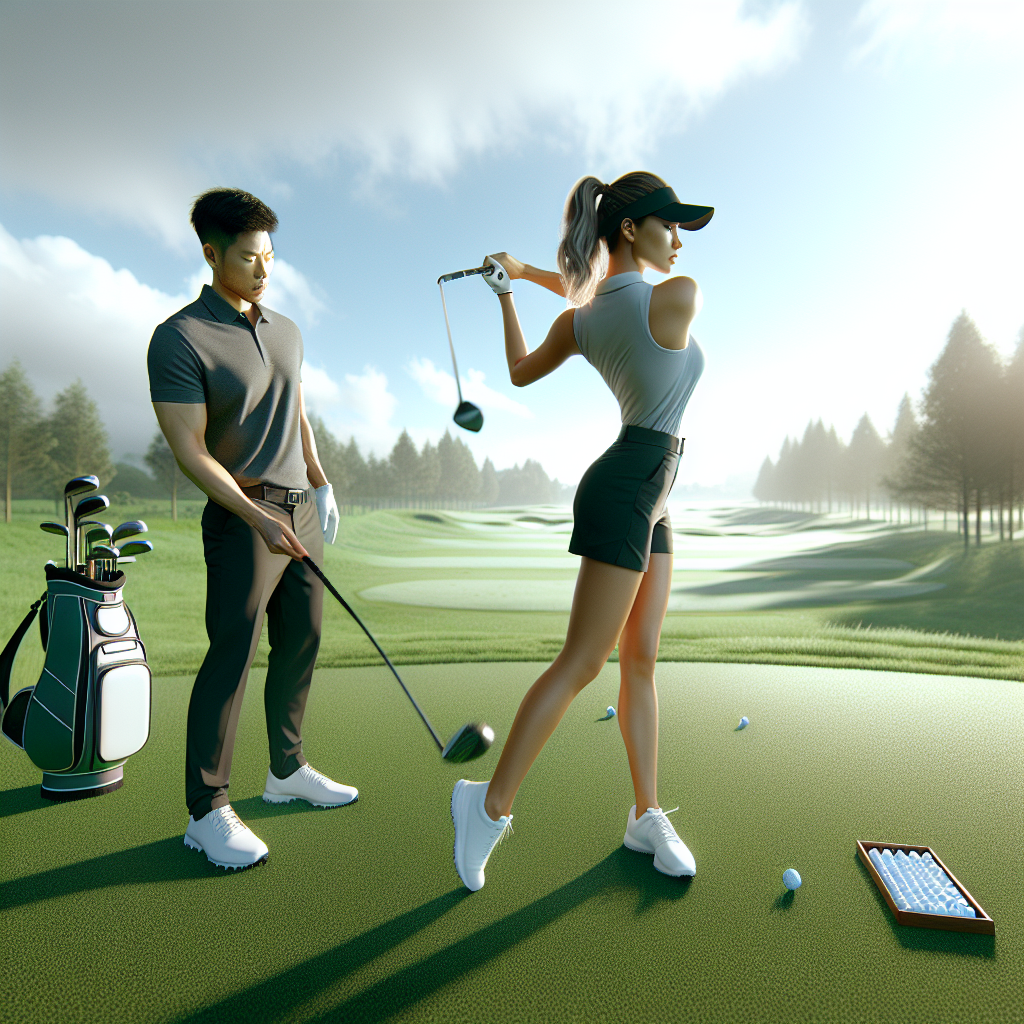
Golf is a sport that demands precision, power, and endurance. To excel on the course, players must focus on golf physical training. This specialized training enhances performance, prevents injuries, and ensures that golfers can play their best for longer periods. In this article, we will explore the importance, components, and methods of golf physical training.
Importance of Golf Physical Training
Benefits for Performance
Golf physical training is vital for improving performance. When you engage in a structured training program, you can expect several benefits:
- Increased Strength: Enhanced strength leads to better swing power.
- Improved Endurance: Better stamina allows for longer practice sessions and rounds.
- Enhanced Balance: Improved balance contributes to a more stable stance and swing.
- Greater Focus: Physical conditioning can lead to better mental clarity during play.
Injury Prevention
Injuries are common in golf, often due to repetitive motions. Golf physical training helps reduce the risk of injuries by:
- Strengthening muscles and joints.
- Improving flexibility, which can prevent strains.
- Teaching proper biomechanics to avoid overuse injuries.
Key Components of Golf Physical Training
Strength Training
Strength training is essential for golfers. It involves exercises that target key muscle groups used in the sport:
- Core Muscles: A strong core stabilizes the body during the swing.
- Leg Muscles: Strong legs provide power and stability.
- Upper Body Muscles: Strength in the arms and shoulders enhances swing speed.
Flexibility and Mobility
Flexibility and mobility are critical for a fluid golf swing. Key components include:
- Stretching routines to improve range of motion.
- Dynamic warm-ups to prepare the body for movement.
- Mobility exercises that enhance joint function, particularly in the hips and shoulders.
Golf Physical Training Programs
Beginner Programs
For those new to golf physical training, a beginner program might include:
- Basic strength exercises like squats and push-ups.
- Simple stretching routines focusing on major muscle groups.
- Short sessions, about 20-30 minutes, 2-3 times a week.
Advanced Programs
Advanced golfers may require more intense training, including:
- High-intensity strength workouts targeting specific golf muscles.
- Advanced flexibility drills such as yoga or Pilates.
- Periodized training to peak at the right times for tournaments.
Exercises for Golf Physical Training
Core Strength Exercises
Developing core strength is vital. Some effective exercises include:
- Planks: Hold a plank position for 30-60 seconds.
- Russian Twists: Sit on the ground, lean back slightly, and twist your torso side to side.
- Medicine Ball Throws: Use a wall or partner to throw a medicine ball, engaging your core.
Flexibility Exercises
To improve flexibility, consider these:
- Seated Hamstring Stretch: Sit and reach for your toes to stretch your hamstrings.
- Shoulder Stretch: Pull one arm across your chest to stretch the shoulder.
- Hip Flexor Stretch: Kneel on one knee and push your hips forward to stretch the hip flexors.
Nutrition and Golf Physical Training
Fueling Your Body for Performance
Nutrition plays a significant role in golf physical training. Important aspects include:
- Balanced Diet: Focus on lean proteins, whole grains, fruits, and vegetables.
- Pre-Game Meals: Eat a meal rich in carbohydrates and protein a few hours before playing.
Hydration Strategies
Staying hydrated is crucial. Here are some strategies:
- Drink water before, during, and after play.
- Use electrolyte drinks for longer rounds to maintain energy levels.
Measuring Progress in Golf Physical Training
Setting Goals
Setting clear, achievable goals is essential for tracking progress. Consider:
- Specific targets (e.g., increase swing speed by X mph).
- Performance benchmarks (e.g., reducing handicap).
Tracking Improvements
Use tools to monitor your progress, such as:
- Golf performance apps that track swings and scores.
- Fitness wearables to log workouts and physical performance.
Common Mistakes in Golf Physical Training
Overtraining
One of the most significant pitfalls is overtraining, which can lead to burnout and injury. Signs include:
- Persistent fatigue.
- Decreased performance.
- Increased irritability.
Neglecting Recovery
Recovery is just as important as training. Common mistakes include:
- Skipping rest days.
- Ignoring signs of fatigue or pain.
Conclusion on Golf Physical Training
Final Thoughts on Enhancing Your Game
Golf physical training is essential for anyone looking to improve their game. By focusing on strength, flexibility, nutrition, and recovery, golfers can enhance their performance and minimize the risk of injury. Whether you are a beginner or an advanced player, implementing a structured training program will lead to significant improvements on the course.
FAQs
- What is golf physical training?
Golf physical training is a specialized fitness program designed to improve a golfer’s strength, flexibility, and overall physical performance.
- Why is strength training important for golfers?
Strength training helps golfers increase their swing power, improve endurance, and enhance overall performance on the course.
- How can flexibility exercises benefit my golf game?
Flexibility exercises improve your range of motion, which can lead to a smoother and more effective swing, reducing the risk of injury.
- What should I include in a golf physical training program?
A comprehensive program should include strength training, flexibility exercises, proper nutrition, and hydration strategies.
- How often should I engage in golf physical training?
It is recommended to train at least 2-3 times a week, depending on your skill level and fitness goals.
- What are some common mistakes in golf physical training?
Common mistakes include overtraining, neglecting recovery, and failing to set specific goals for progress.
For more detailed information, you can check out resources from The PGA or The Titleist Performance Institute.
