

Golf Training Simulators
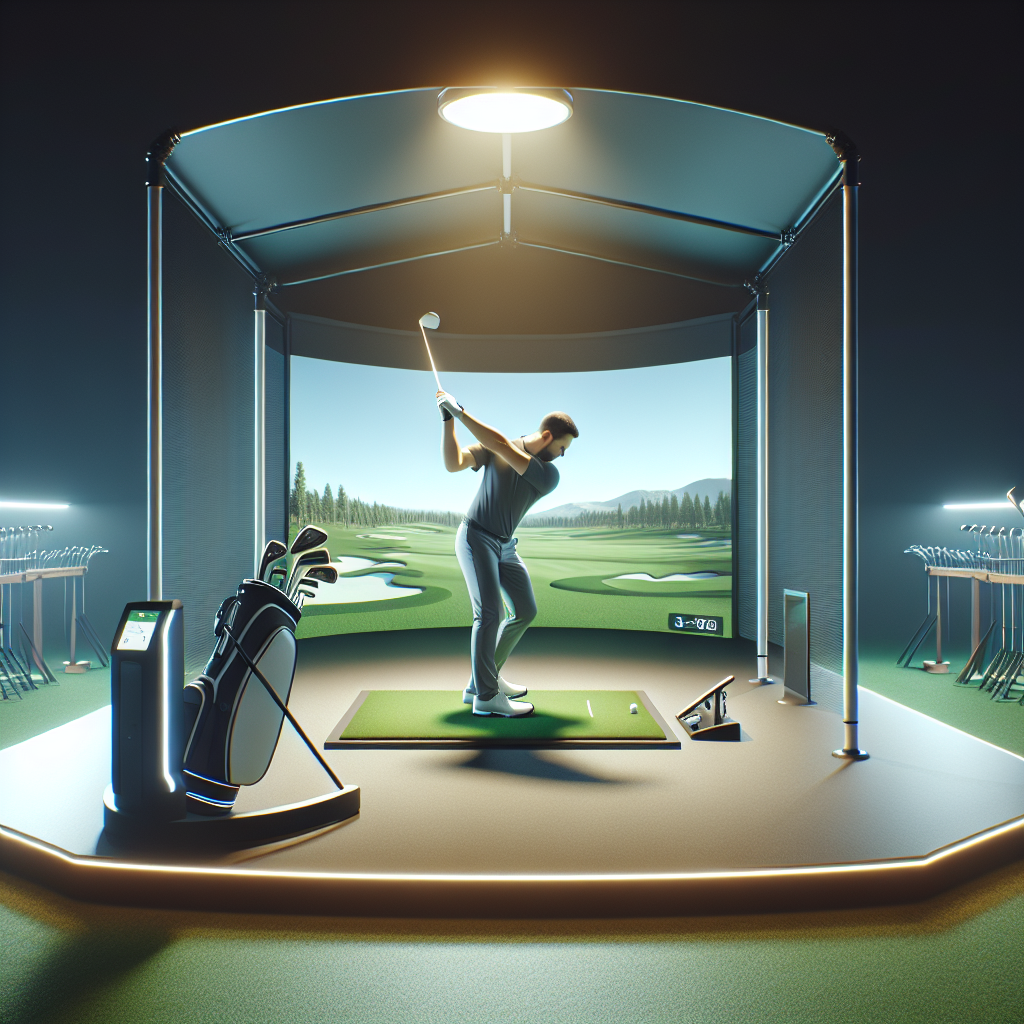
What Are Golf Training Simulators?
Definition and Purpose
Golf training simulators are advanced devices designed to replicate the experience of playing golf indoors. They use technology to track and analyze swings, providing golfers with feedback on their performance. The main purpose of these simulators is to help golfers improve their game, allowing them to practice year-round, regardless of weather conditions.
Types of Golf Training Simulators
There are several types of golf training simulators available, each catering to different needs and budgets. Some common types include:
- High-End Simulators: These feature advanced technology, offering realistic graphics, swing analysis, and a wide range of courses.
- Budget Simulators: More affordable options that might lack some features but still offer basic swing analysis and practice tools.
- Portable Simulators: Compact devices that can be easily moved and set up in different locations, ideal for those with limited space.
- Software-Based Simulators: These require a computer or gaming console and provide a virtual golfing experience with various courses and challenges.
Benefits of Using Golf Training Simulators
Improved Swing Analysis
Golf training simulators provide detailed analytics on your swing mechanics. They can track metrics such as club speed, swing path, and ball trajectory. This data enables golfers to identify areas for improvement, making practice sessions more effective.
Enhanced Practice Experience
Unlike traditional driving ranges, simulators offer a controlled environment where golfers can practice with less distraction. Many simulators simulate various weather conditions and course types, making practice more engaging and realistic. Additionally, they often include fun games and challenges to keep users motivated.
Top Features to Look for in Golf Training Simulators
Accuracy and Realism
When choosing a golf training simulator, accuracy is paramount. Look for systems that use advanced sensors and radar technology to provide precise data. Realistic graphics and course simulations also enhance the overall experience, making it feel like you’re on a real course.
User-Friendly Interface
A straightforward user interface is essential, especially for beginners. The simulator should be easy to navigate, allowing users to access swing data and practice modes without technical difficulties. A well-designed interface can make the learning process more enjoyable.
Best Golf Training Simulators on the Market
High-End Models
- TrackMan 4: Known for its accuracy, this simulator is a favorite among professionals. It offers detailed swing analysis and realistic course simulations.
- SkyTrak: A more affordable high-end option, SkyTrak provides excellent data feedback and is compatible with various software for different practice scenarios.
Budget-Friendly Options
- OptiShot 2: This simulator is popular for its affordability and ease of use. It offers a decent range of courses and is perfect for casual players.
- Rapsodo Mobile Launch Monitor: Suitable for those looking for portable options, this device provides essential swing data at a lower price point.
How to Set Up Your Golf Training Simulator
Space Requirements
Before purchasing a simulator, consider the space available for setup. Most simulators require a minimum area of 10 feet in length and 8 feet in height. Ensure you have enough room to swing comfortably without hitting walls or furniture.
Equipment Needed
To set up your golf training simulator, you’ll typically need:
- The simulator unit itself (hardware or software)
- A projector or large screen for visuals
- A hitting mat and net to catch the ball
- A computer or tablet (if using software-based simulators)
Golf Training Simulators vs. Traditional Practice
Cost Comparison
While traditional practice at a driving range can be cost-effective initially, golf training simulators may save money in the long run. With a one-time investment, you can practice anytime without paying for range fees or travel costs.
Effectiveness
Both methods have their merits, but simulators often provide more in-depth feedback and targeted practice options. While traditional practice offers the feel of real courses, simulators allow for more controlled and analytical training.
Future Trends in Golf Training Simulators
Technological Advancements
The future of golf training simulators is bright, with continuous advancements in technology. Expect to see improved sensors, enhanced graphics, and more interactive features that will make practice even more engaging.
Integration with Virtual Reality
Virtual reality (VR) is becoming increasingly popular in golf training. Many simulators are beginning to incorporate VR technology, providing an immersive experience that can replicate real-world courses and scenarios.
Conclusion: Choosing the Right Golf Training Simulator
Key Considerations
When selecting a golf training simulator, consider factors such as budget, space, and desired features. Think about how often you plan to use it and whether you prefer a realistic experience or just basic swing analysis.
Final Recommendations
For serious golfers, investing in a high-end simulator like TrackMan 4 can provide extensive data and improve your game significantly. However, if you’re just starting or looking for a budget-friendly option, consider the OptiShot 2.
FAQs
- What are golf training simulators?
Golf training simulators are devices that replicate golfing experiences indoors, providing feedback on swing mechanics and performance.
- How do golf training simulators work?
They use advanced sensors and cameras to track swings and analyze data, offering insights into performance metrics.
- Are golf training simulators worth the investment?
Yes, they can be a valuable investment for improving your game and allow for year-round practice.
- What features should I look for in a golf training simulator?
Look for accuracy, realistic graphics, ease of use, and the ability to provide detailed swing analysis.
- Can I use a golf training simulator at home?
Absolutely! Many simulators are designed for home use and can fit into a garage or dedicated space.
- What are the best golf training simulators on the market?
Some of the best include TrackMan 4 for high-end users and OptiShot 2 for budget-conscious golfers.
For more information on golf training technologies, check out Golf Digest or PGA Tour.
