

How to Change Golf Grips: A Complete Guide
meta:
description: “Learn how to change golf grips with our step-by-step guide, tools needed, and tips for maintaining your golf clubs.”
How to Change Golf Grips
Changing golf grips is an essential skill for any golfer. Fresh grips can enhance your performance, comfort, and overall enjoyment of the game. In this guide, we’ll walk you through the process of how to change golf grips, from understanding when it’s necessary to choosing the right type for your clubs.
Why Change Golf Grips?
Benefits of Fresh Grips
Fresh grips can significantly improve your game. Here are some benefits:
- Better Control: New grips provide enhanced traction, improving your control over the club.
- Increased Comfort: Worn grips can lead to discomfort and blisters. New grips can make your swing feel more natural.
- Improved Performance: With better grip, you can achieve more consistent swings and shots.
Signs You Need New Grips
Knowing when to change your grips is crucial. Look for these signs:
- Worn Texture: If the grip feels smooth or slick, it’s time for a change.
- Cracks or Tears: Visible damage means it’s time to replace the grip.
- Loss of Feel: If you struggle to feel the club in your hands, new grips can help restore that connection.
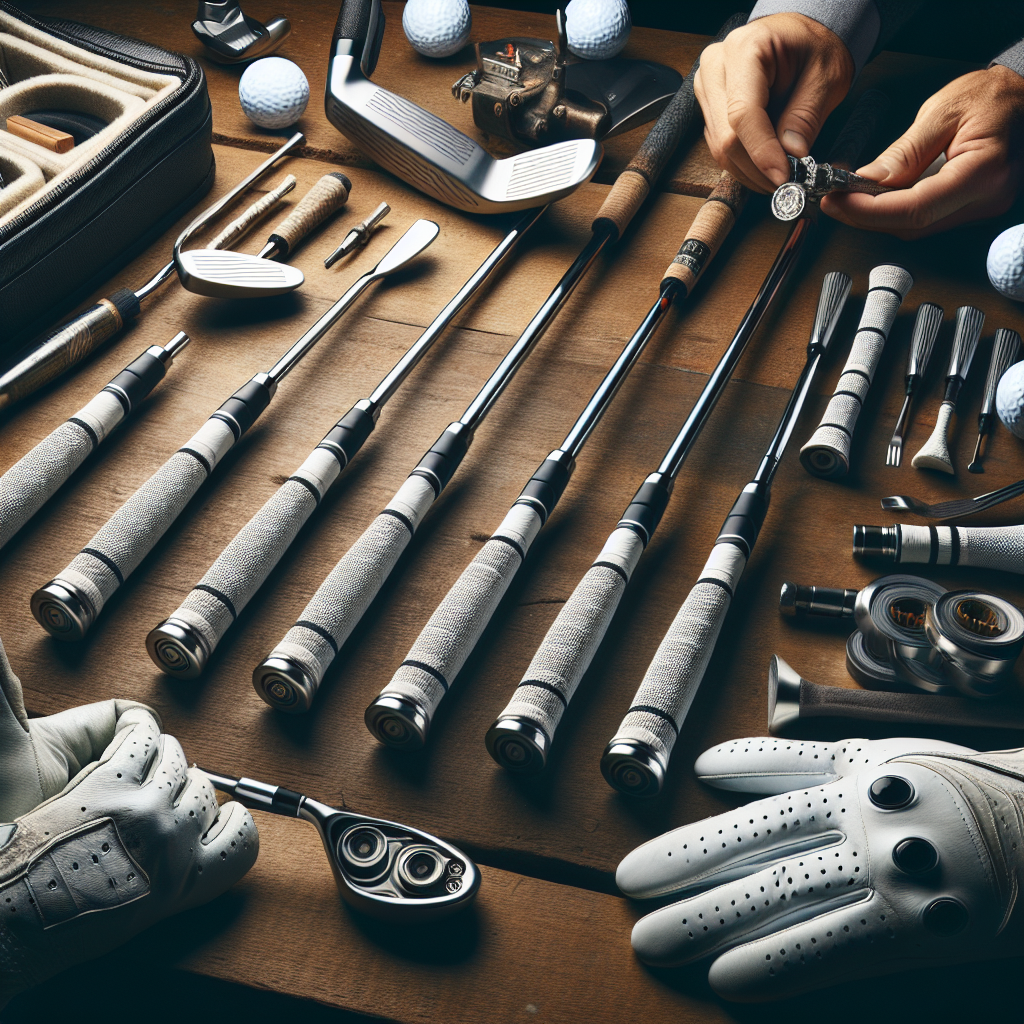
Tools Needed for Changing Golf Grips
Before diving into the process, gather the necessary tools.
Essential Tools
- Grip Tape: Double-sided tape for securing the new grip.
- Utility Knife: For cutting off old grips.
- Grip Solvent: A solvent to help slide the new grips onto the shaft.
Optional Tools
- Vice: To hold the club securely while you work.
- Rubber Mallet: For tapping the grip into place if needed.
How to Change Golf Grips: Step-by-Step Guide
Changing your grips can be done at home with the right tools and a little patience. Follow this step-by-step guide.
Removing Old Grips
- Cut the Old Grip: Use a utility knife to carefully slice along the grip. Be cautious not to damage the shaft underneath.
- Peel Off the Grip: Once cut, pull the grip off the shaft. If it’s stubborn, you may need to apply some solvent.
Preparing the Club Shaft
- Remove Old Tape: Peel off any old grip tape. A clean surface is essential for the new grip.
- Clean the Shaft: Wipe down the shaft with a cloth to remove any debris or adhesive residue.
Installing New Grips
- Apply Grip Tape: Wrap new double-sided tape around the shaft, leaving a small space at the top.
- Add Solvent: Pour grip solvent over the tape and the grip. This makes it easier to slide the grip on.
- Slide On the New Grip: Position the grip at the top of the shaft and push it down. Rotate it slightly to ensure it aligns correctly.
- Let it Set: Allow the grip to dry for at least a few hours before using the club.
Choosing the Right Golf Grips
Selecting the right grips is vital for your comfort and performance.
Types of Golf Grips
- Rubber Grips: Common and versatile, offering good traction.
- Corded Grips: Ideal for wet conditions, providing extra grip.
- Soft Grips: For those who prefer a cushioned feel.
Grip Size and Feel
Choosing the right grip size is crucial for comfort and control. Here’s how to determine the right size:
- Hand Size: Larger hands require thicker grips and vice versa.
- Testing: Hold a grip and check if your fingers touch your palm. If they do, it’s the right size.
How to Change Golf Grips at Home
Changing your grips at home can save you money and give you a sense of accomplishment.
DIY vs. Professional Help
While you can change grips at home, some golfers prefer professional help. If you’re unsure about your skills or tools, a professional can ensure the job is done correctly.
Tips for a Successful Change
- Work in a Clean Space: A clutter-free area will help you focus.
- Take Your Time: Don’t rush the process. Careful work leads to better results.
Maintaining Your Golf Grips
Once you’ve changed your grips, maintaining them is key to longevity.
Cleaning Tips
- Wipe After Use: Clean grips with a damp cloth to remove dirt and sweat.
- Use Mild Soap: Occasionally wash grips with mild soap and water for deeper cleaning.
When to Replace Grips Again
Monitor your grips regularly. If you notice signs of wear or loss of feel, it’s time to change them again.
Common Mistakes When Changing Golf Grips
Avoid these pitfalls to ensure a successful grip change.
Avoiding Pitfalls
- Not Cleaning the Shaft: Leaving old tape can affect the grip’s performance.
- Using Too Much Solvent: Excess solvent can make it slippery and hard to handle.
Troubleshooting Issues
If your grips feel loose or misaligned, you may need to redo the installation. Ensure that the tape is applied evenly and that the grip is fully seated.
Conclusion: Mastering How to Change Golf Grips
Changing your golf grips can enhance your performance and enjoyment of the game. By following the steps outlined above, you’ll be well on your way to mastering how to change golf grips effectively.
Recap of Key Steps
- Remove old grips carefully.
- Prepare the shaft by cleaning and taping.
- Install new grips with care and patience.
Final Thoughts on Grip Maintenance
Regularly maintaining your golf grips not only enhances your game but also prolongs the life of your clubs. Remember, fresh grips can make a significant difference in your performance on the course.
FAQs
1. How do I know when to change my golf grips?
Look for signs like worn texture, cracks, or a loss of feel.
2. Can I change golf grips myself?
Yes, with the right tools and patience, you can change golf grips at home.
3. What tools do I need for changing golf grips?
You’ll need grip tape, a utility knife, and grip solvent.
4. How often should I change my golf grips?
It depends on usage, but generally every 30-50 rounds or once a season is a good rule.
5. What type of golf grip should I choose?
It depends on your preference, but consider factors like hand size and playing conditions.
6. How can I maintain my golf grips?
Clean them regularly with a damp cloth and mild soap to keep them in good condition.
For more detailed information on golf grip maintenance, visit Golf Digest.
“`
