

How to Clean Golf Clubs: A Complete Guide
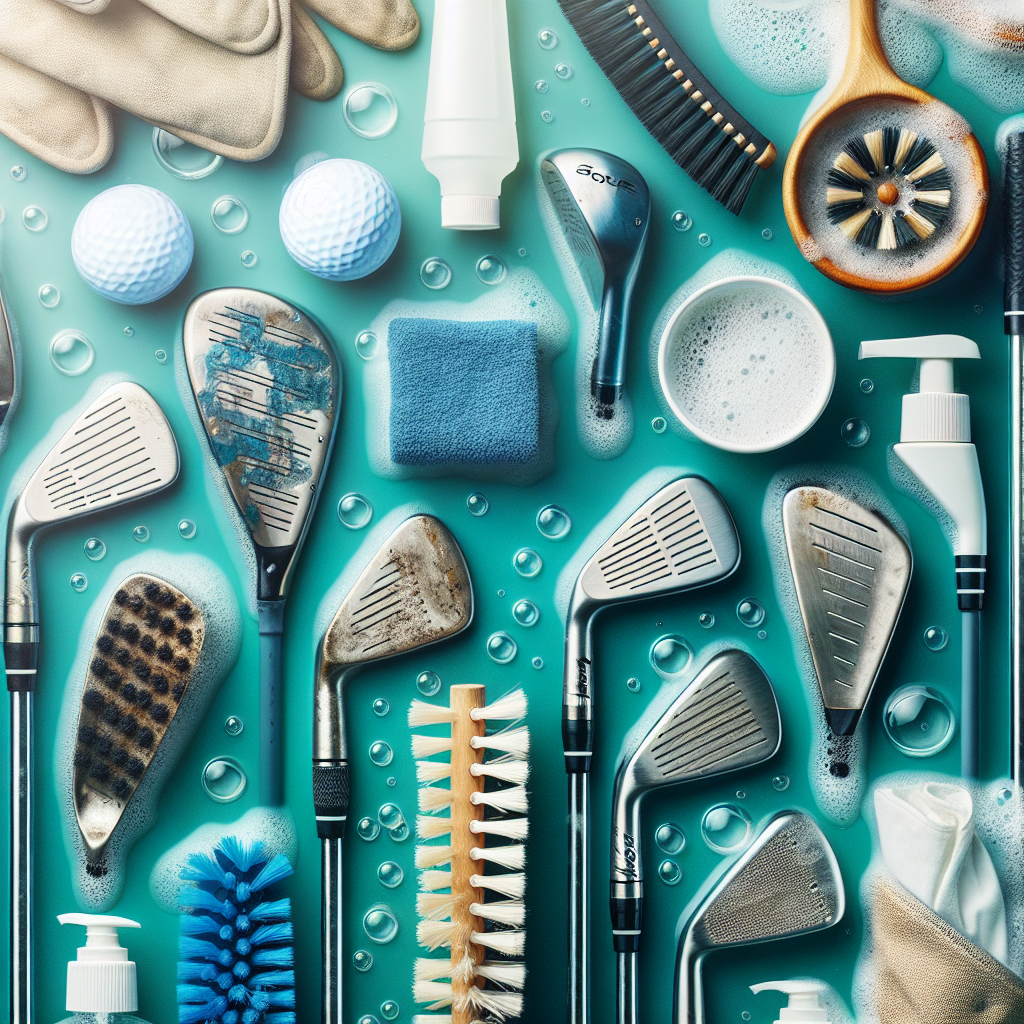
meta:
description: “Learn how to clean golf clubs with this comprehensive guide, including step-by-step instructions, best practices, and common mistakes to avoid.”
How to Clean Golf Clubs
Keeping your golf clubs in top condition is essential for maintaining performance on the course. Regular cleaning not only enhances the look of your clubs but also improves their functionality. In this guide, we will explore how to clean golf clubs effectively, ensuring you can achieve the best results with every swing.
Importance of Cleaning Golf Clubs
Benefits of Regular Cleaning
Cleaning your golf clubs regularly offers several benefits:
- Improved Performance: Dirt and debris can affect the way your club interacts with the ball. A clean clubface provides better spin and accuracy.
- Extended Lifespan: Regular maintenance can prevent rust and corrosion, which can damage your clubs over time.
- Better Aesthetic Appeal: Clean clubs look better and give a professional impression both on and off the course.
Impact on Performance
When clubs are dirty, it can significantly impact your game. For instance, grass, mud, and sand can alter the club’s surface, affecting its grip and control. A clean clubface will deliver consistent contact with the ball, leading to improved shots and lower scores.
How to Clean Golf Clubs: Step-by-Step Guide
Cleaning golf clubs doesn’t have to be complicated. Follow these steps to ensure your clubs remain in excellent condition.
Materials Needed
Before starting, gather the following materials:
- Bucket of warm water
- Mild dish soap
- Soft-bristled brush or old toothbrush
- Microfiber cloth
- Towel for drying
- Toothpick or wire brush (for grooves)
Cleaning Process for Iron Clubs
- Prepare the Soapy Water: Fill a bucket with warm water and add a few drops of mild dish soap to create a soapy solution.
- Soak the Clubs: Submerge the iron heads in the soapy water for a few minutes to loosen dirt and grime.
- Scrub the Grooves: Using a soft-bristled brush or an old toothbrush, gently scrub the clubface, focusing on the grooves to remove any debris.
- Rinse and Dry: Rinse the clubs under running water to remove soap and dirt. Use a microfiber cloth to dry them thoroughly.
Cleaning Process for Woods and Putters
- Soak the Heads: For woods and putters, fill a bucket with warm water mixed with mild dish soap. Soak the clubheads for a few minutes.
- Wipe Down the Shaft: Use a damp cloth to wipe the shaft and grip, ensuring they are clean and free of dirt.
- Scrub Gently: Use a soft brush to clean the clubface but avoid soaking wooden clubs for too long to prevent damage.
- Dry Thoroughly: After rinsing, dry your woods and putters with a microfiber cloth to prevent water damage.
How Often Should You Clean Golf Clubs?
Frequency Recommendations
- After Each Round: Ideally, you should clean your clubs after every round of golf to maintain optimal performance.
- Weekly Maintenance: If you play frequently, consider a more thorough cleaning once a week.
Signs That Your Clubs Need Cleaning
Watch for these signs that indicate your clubs may need a cleaning:
- Visible dirt or grime on the clubface
- Discoloration of the clubhead
- Reduced spin or control during play
Best Cleaning Products for Golf Clubs
Recommended Brushes and Cloths
- Soft-Bristled Brush: Ideal for cleaning iron clubs without damaging the surface.
- Microfiber Cloth: Perfect for drying and polishing clubs.
Cleaning Solutions to Use
- Mild Dish Soap: Safe for all types of clubs and effective at removing dirt.
- Specialty Golf Club Cleaners: Some brands offer specific cleaning solutions designed for golf clubs.
Common Mistakes When Cleaning Golf Clubs
Overlooking the Grooves
One of the most common mistakes is neglecting the grooves on the clubface. These grooves are crucial for spin and control, so be sure to clean them thoroughly.
Using Harsh Chemicals
Avoid using harsh chemicals or abrasive cleaners, as they can damage the finish and integrity of your clubs. Stick to mild soap and water for safe cleaning.
Storing Clean Golf Clubs
Proper Storage Techniques
After cleaning, store your clubs in a cool, dry place. Use a golf bag with individual club dividers to prevent damage.
Importance of Drying Clubs
Always ensure your clubs are completely dry before storing them. This helps prevent rust and corrosion, extending the life of your clubs.
Additional Tips for Maintaining Golf Clubs
Regular Inspections
Make it a habit to inspect your clubs regularly for signs of wear or damage. Early detection can prevent costly repairs or replacements.
Professional Cleaning Services
If you notice significant build-up or damage, consider using professional cleaning services. They have specialized tools and expertise to clean and restore your clubs effectively.
FAQs
1. How do I clean my golf clubs at home?
You can clean your golf clubs at home using warm soapy water, a soft brush, and a microfiber cloth.
2. How often should I clean my golf clubs?
It’s best to clean your clubs after each round of golf and give them a thorough cleaning once a week if you play regularly.
3. What products should I use to clean my golf clubs?
Use mild dish soap and warm water, along with a soft-bristled brush and microfiber cloth for cleaning.
4. Can I use vinegar to clean my golf clubs?
While vinegar can be effective for some cleaning tasks, it’s best to stick with mild soap and water to avoid damaging your clubs.
5. Why is it important to clean the grooves of my golf clubs?
Cleaning the grooves is crucial for maintaining spin and control, which directly affects your performance on the course.
6. What should I do if my clubs have rust?
If you notice rust, you can use a rust-removing product specifically designed for golf clubs, or seek professional cleaning services.
For further reading on the importance of club maintenance, check out the PGA Tour's guide on golf club care. Keeping your golf clubs clean will not only enhance your performance but also make your game more enjoyable.
