

How to Hold a Golf Club: The Essential Guide
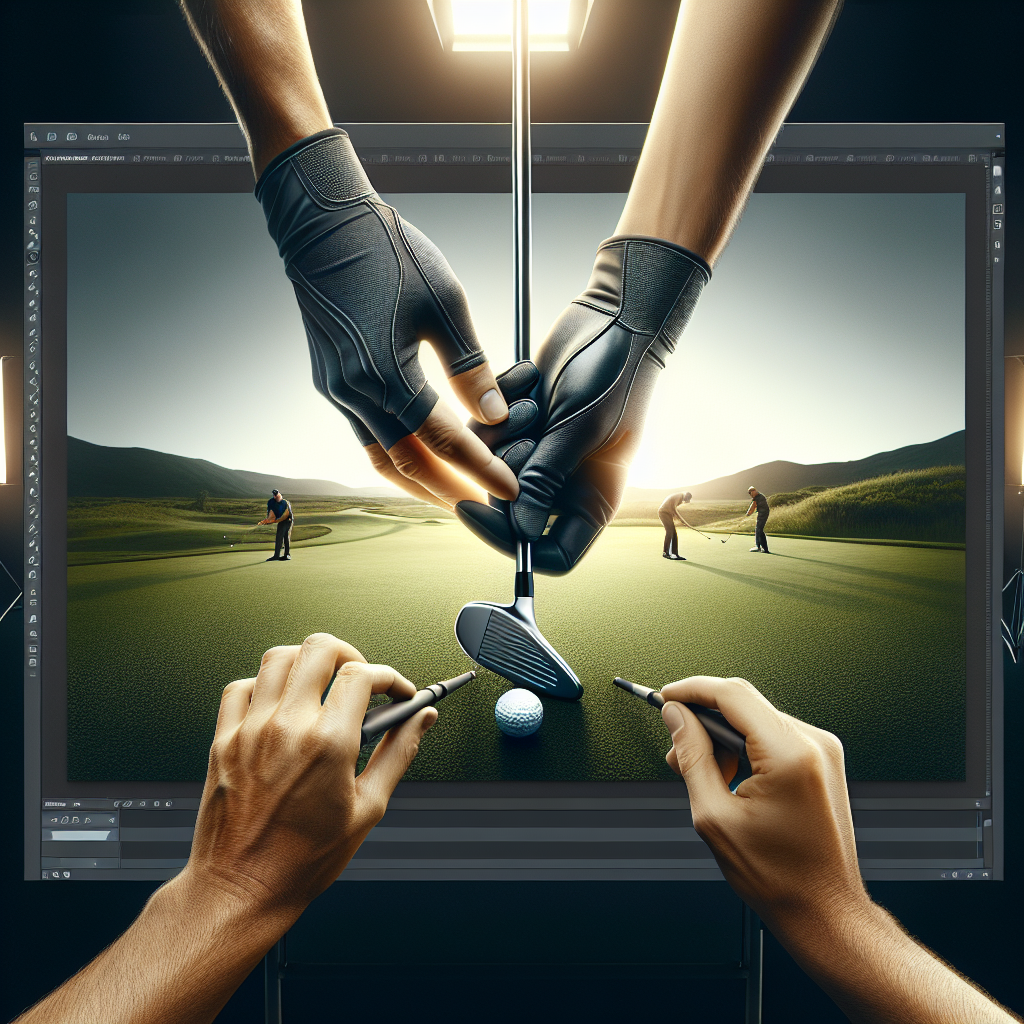
meta:
description: “Learn how to hold a golf club properly for improved performance on the course. Discover grips, techniques, and tips to enhance your game.”
How to Hold a Golf Club
Learning how to hold a golf club is one of the fundamental skills every golfer must master. A proper grip not only affects your swing but also influences your overall performance on the course. In this guide, we’ll explore the importance of a good grip, step-by-step instructions, different types of grips, and how to adjust your grip for various shots.
Importance of Proper Grip in Golf
Benefits of a Good Grip
A solid grip is crucial for several reasons:
- Control: A proper grip provides better control over the clubface, allowing for more accurate shots.
- Consistency: Consistent grip pressure leads to more reliable swings.
- Power: A strong grip can help generate more power, translating into longer drives.
Common Mistakes to Avoid
Many beginners make common mistakes when holding a golf club. Here are a few to watch out for:
- Too Tight or Too Loose: Gripping the club too tightly can lead to tension, while a loose grip may cause a lack of control.
- Incorrect Hand Position: Placing hands in the wrong spot can lead to poor shot execution.
- Ignoring Grip Size: Using the wrong grip size can hinder performance and comfort.
How to Hold a Golf Club: Step-by-Step Guide
Positioning Your Hands
To hold a golf club correctly, follow these steps:
- Align Your Hands: Place your dominant hand on the club first. The club should rest diagonally across your fingers, with your palm facing down.
- Add Your Non-Dominant Hand: Place your other hand below the dominant hand. The thumb of the non-dominant hand should sit over the fingers of the dominant hand.
- Check the V’s: Both thumbs should create a ‘V’ shape pointing towards your right shoulder (for right-handed players).
Finding the Right Grip Pressure
Grip pressure is essential for controlling your shots. Aim for a pressure level similar to holding a tube of toothpaste without squeezing it out.
- Practice: Hold the club with different pressures during practice to find what feels most comfortable.
- Consistency: Maintain the same grip pressure throughout your swing for better results.
Different Types of Golf Grips
There are three main types of grips used in golf, each offering unique advantages:
Overlapping Grip
- Description: The pinky finger of the trailing hand overlaps the index finger of the lead hand.
- Benefits: Provides a solid connection between the hands, promoting control and power.
Interlocking Grip
- Description: The pinky of the trailing hand interlocks with the index finger of the lead hand.
- Benefits: Ideal for players with smaller hands, this grip enhances control and unity between the hands.
Ten Finger Grip
- Description: All ten fingers grip the club with no overlapping or interlocking.
- Benefits: Often preferred by beginners, it allows for maximum grip strength and is easy to learn.
How to Hold a Golf Club for Different Shots
Your grip can vary depending on the type of shot you are making:
Driving
For driving, ensure your grip is firm but relaxed. This helps in generating maximum power while maintaining control.
Iron Shots
When hitting with irons, adjust your grip pressure slightly to ensure better control and accuracy. Focus on a more relaxed grip to promote a smooth swing.
Putting
For putting, a light grip is essential. Use an overlapping or ten-finger grip to maintain control without tension. Ensure your hands are positioned close together for better feel and touch.
Adjusting Your Grip for Comfort
Grip Size Considerations
Choosing the right grip size can significantly affect how you hold a golf club.
- Standard: Most players use standard grips, but if you have larger hands, consider using oversized grips.
- Testing: Visit a local pro shop to test different grip sizes.
Personalizing Your Grip Technique
Everyone’s hands are different, so customize your grip to suit your style. Experiment with hand positioning and grip styles until you find what feels best.
Practicing Your Grip
Drills to Improve Your Grip
- Mirror Drill: Practice your grip in front of a mirror to ensure proper hand placement.
- Swing Drills: Use practice swings focusing solely on maintaining your grip pressure.
Using Training Aids
Consider using training aids like grip trainers or alignment sticks to reinforce proper grip techniques.
Troubleshooting Grip Issues
Signs of a Poor Grip
If you’re experiencing any of the following, your grip may need adjustment:
- Inconsistent ball flight
- Excessive hooks or slices
- Lack of distance
Solutions for Common Grip Problems
- Reassess Your Grip Pressure: If your shots are erratic, check if you’re gripping too tightly or loosely.
- Adjust Hand Position: Review the positioning of your hands to ensure they are aligned correctly.
FAQs
1. How do I hold a golf club correctly?
To hold a golf club correctly, position your dominant hand first, then add your non-dominant hand below it, ensuring both thumbs point towards your shoulder.
2. What grip pressure should I use when holding a golf club?
Aim for a grip pressure that feels firm yet relaxed, similar to holding a tube of toothpaste without squeezing it out.
3. What are the different types of golf grips?
The three main types of golf grips are the overlapping grip, interlocking grip, and ten-finger grip, each offering unique advantages.
4. How can I improve my grip in golf?
You can improve your grip by practicing drills, using training aids, and ensuring your grip size is appropriate for your hand size.
5. When should I adjust my grip for different shots?
Adjust your grip for different shots based on the club being used and the type of shot, such as driving, iron shots, or putting.
6. What are signs of a poor grip in golf?
Signs of a poor grip include inconsistent ball flight, excessive hooks or slices, and a lack of distance on shots.
For further reading on improving your golf grip and overall technique, check out Golf Digest and PGA Tour.
“`
